

Pyranometers for Accurate Solar Irradiance Measurement
EKO pyranometers provide precise solar irradiance measurements for PV performance assessment, weather stations, and climate research. Our instruments meet ISO 9060 and ISO 61724 standards, ensuring reliability for professionals in solar energy, meteorology, and research.
- Suitable for PV monitoring, Meteorology, or Climate Studies
- ISO 9060:2018 compliant: Class A, B and C
- Highest stability
Learn more:
Class A | Integrated Dome Heating | Spectrally Flat & Fast Response | ISO/IEC 17025
ISO 9060:2018 Class A
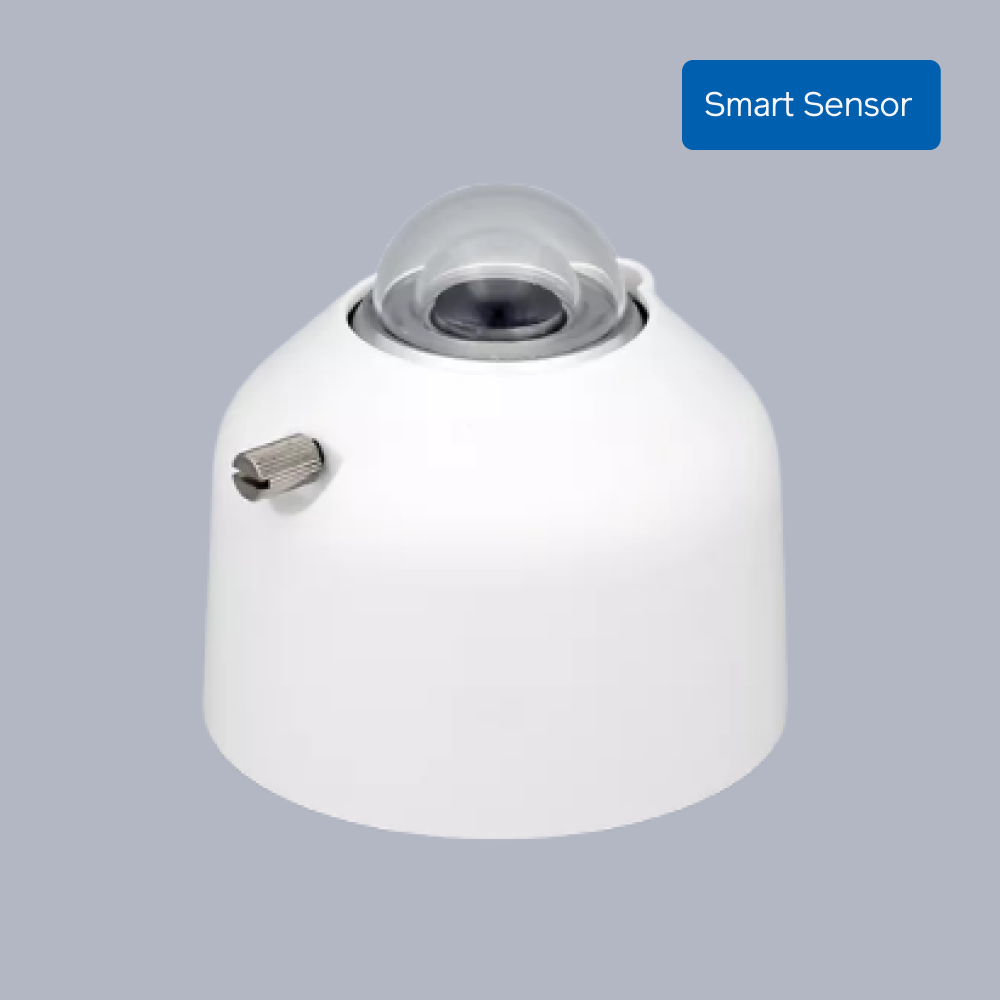
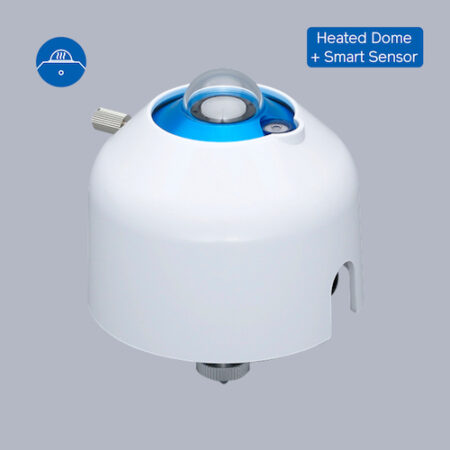
The elite MS-80S Class A pyranometer includes a state-of-the-art thermopile sensor, and new ‘S-Series’ internal diagnostics system, and 4-channel smart interface.
ISO 9060:2018 Class A
An ISO9060:2018 Class A solar sensor in the top tier ‘fast-response and ‘spectrally flat’ sub-categories, with unprecedented low zero-offset behaviour, and a 5-year recalibration interval.
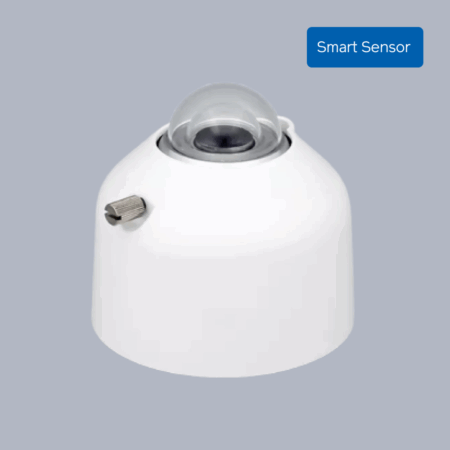
ISO 9060:2018 Class B
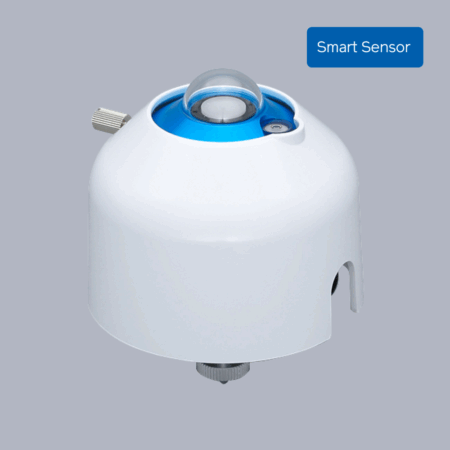
Designed for agricultural research, meteorological applications, and small to medium-scale solar plants, the S-series ISO 9060:2018 Class B MS-60S Pyranometer is part of the most accurate, reliable, and robust family of pyranometers in the world.
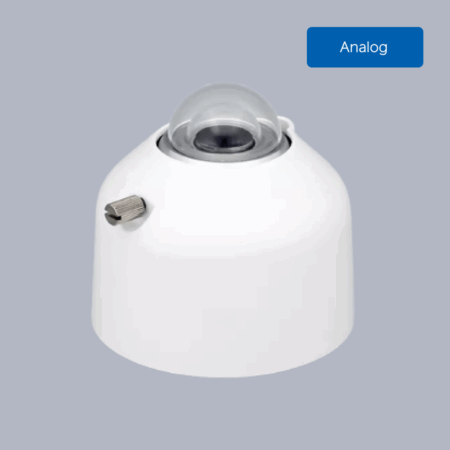
ISO 9060:2018 Class B
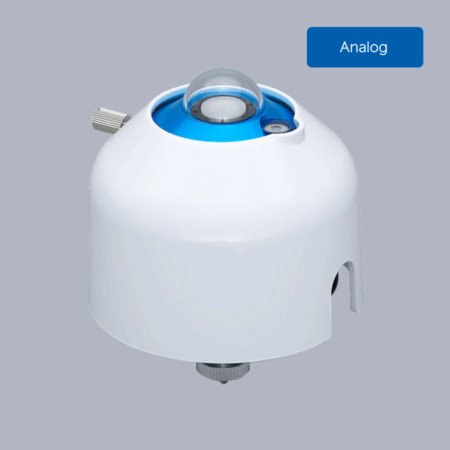
The MS-60 is an ISO 9060:2018 Class B pyranometer with analog output and double dome construction for lower offsets and cosine errors.
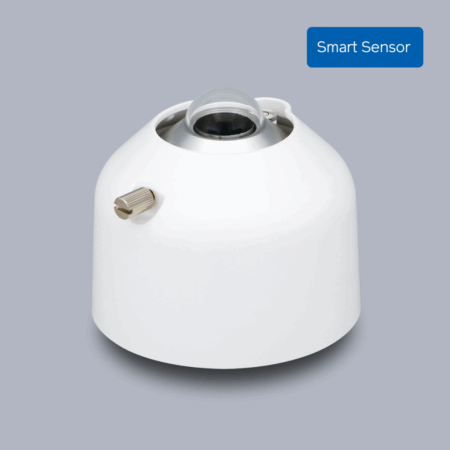
ISO 9060:2018 Class C
The S-Series ISO 9060:2018 MS-40S Class C Pyranometer is a cost-efficient part of the most accurate, reliable and robust family of pyranometers in the world, and the class-leading solution for system integrators, agrometeorological networks, and professional small-scale PV sites.
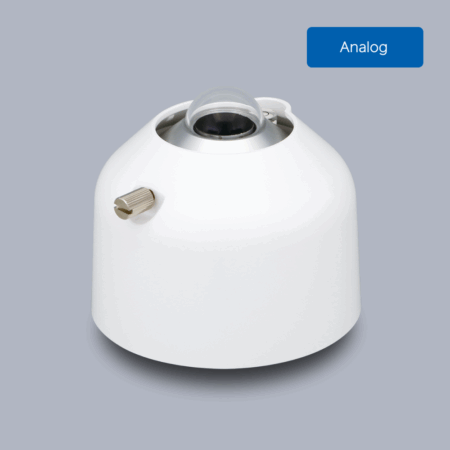
ISO 9060:2018 Class C
The MS-40 is an ISO 9060:2018 Class C pyranometer, and the most cost-effective irradiance sensor for agro-meteorological networks and professional small-scale PV sites where solar radiation is taken seriously.
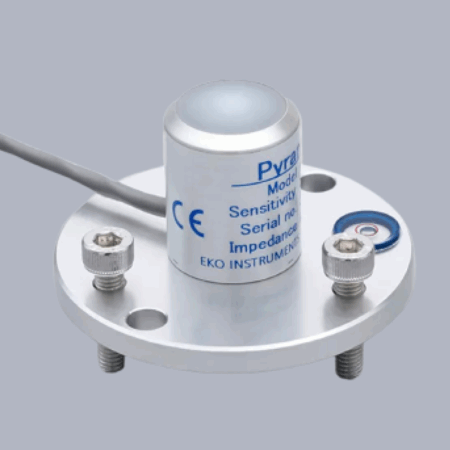
ISO 9060:2018 Class C
The compact, industrial-grade ML-01 silicon pyranometer is made for high-quality irradiance measurements. It’s Class C, Fast Response, light, tough and easy to integrate into any project or application.
1. What is a pyranometer?
A pyranometer is a specialized radiometer that quantifies hemispherical solar irradiance—capturing both direct beam and diffuse sky radiation across a 180° field of view—via a thermopile’s thermoelectric conversion of absorbed shortwave energy (0.3–3 μm) into a precise electrical output proportional to flux density in W/m².
EKO Instruments offers high-precision pyranometers models compliant with ISO 9060 standards.
2. What is a pyranometer used for?
A pyranometer is used to measure how much solar energy reaches the Earth’s surface.
In simple terms, it tells you how strong the sunlight is at a given location. This information is essential for:
- Evaluating solar panel performance
- Estimating energy production at solar power plants
- Studying weather and climate patterns
- Monitoring sunlight for agriculture and environmental research
Think of a pyranometer as a sunlight meter—it helps engineers, scientists, and solar operators understand exactly how much usable solar energy is available, so systems can be designed, tested, and optimized with confidence.
3. What is the difference between pyrheliometer and pyranometer?
Both instruments measure sunlight, but they do it from very different perspectives—the Pyranometer looks at the whole sky, a pyrheliometer locks onto the sun itself.
A pyranometer measures the total solar energy falling on a surface. It captures not only the sunlight coming straight from the sun, but also the light scattered by clouds, air, and dust. With its dome-shaped sensor and wide view of the sky, it’s ideal for tracking global horizontal irradiance (GHI) and is widely used in solar PV monitoring, weather stations, and climate research.
A pyrheliometer, by contrast, is highly selective. It measures only the direct solar beam and ignores scattered light. Its narrow viewing tube must stay perfectly aligned with the sun, which is why it’s mounted on a Solar Sun tracker. This makes it essential for direct normal irradiance (DNI) measurements, especially in concentrated solar power (CSP) projects and precision solar resource studies.
4. Who invented the pyranometer?
The pyranometer wasn’t invented by a single person—it’s the result of several scientists building on each other’s work.
In 1893, Swedish physicist Anders Knutsson Ångström created one of the first instruments to measure total (global) solar radiation, laying the foundation.
So, rather than a single inventor, the pyranometer emerged through collaborative scientific progress in the early 20th century, evolving into the precise instruments used today.
EKO Instruments continues this legacy with advanced ISO 9060-compliant models using similar thermopile principles enhanced by quartz diffusers and smart diagnostics.
5. What is the difference between a pyranometer and a par sensor?
A pyranometer and a PAR sensor both respond to sunlight, but they answer different questions.
A pyranometer measures how much solar energy is arriving. It captures the entire solar spectrum (roughly 300–2800 nm) and reports the result as energy per area (W/m²). This makes it the essential instrument for solar power, weather monitoring, and climate studies, where the goal is to understand heat and energy from the sun.
A PAR sensor, on the other hand, measures how useful that light is for plants. It looks only at the narrow band of light plants use for photosynthesis (400–700 nm) and counts photons, not energy. Its output is PPFD (µmol/m²/s), which is why it’s essential in agriculture, greenhouses, and ecological research.
6. What is another name for a pyranometer?
A pyranometer is also referred to as:
Global radiation sensor
Solar radiation sensor
Solar energy flux meter (less common, more technical)
All of these terms describe the same core function of measuring the intensity of sunlight falling on a surface, typically expressed in watts per square meter (W/m²).
7. What is the life span of a pyranometer?
The lifespan of a pyranometer is typically between 10 and 20 years, and often longer, if it’s well maintained.
EKO pyranometers are backed by up to a 5-year manufacturer’s warranty.
8. How to calibrate a pyranometer?
Pyranometer calibration ensures measurement accuracy by comparing the test instrument against a reference standard under controlled conditions, ensuring the following ISO 17025 or ISO 9846/9847 standards.
EKO Instruments offers professional calibration services, ISO/IEC17025-accredited recalibration for pyranometers, pyrheliometers, and viscometers, ensuring measurements meet international laboratory standards.
9. Where are pyranometers used?
Pyranometers are essential tools for measuring solar irradiance across
Solar energy: PV plants use them for performance ratio (PR) checks, yield forecasting, and plane-of-array (POA) monitoring.
Meteorology and climate research: Weather stations and climate models rely on pyranometers for global horizontal irradiance (GHI) data.
Agriculture: Farmers and researchers track crop growth, evapotranspiration, and greenhouse lighting.
Other fields: Building energy audits, hydrology studies, and ecological research.
10. What are the standards for pyranometers?
EKO pyranometers are designed and verified to meet the key international standards and protocols that ensure accuracy, repeatability, and wide-application reliability:
🔹 ISO 9060:2018 Compliance – All EKO pyranometers (Class A, B, and C) are tested and classified according to ISO 9060:2018, which defines performance parameters like response time, spectral behavior, temperature and directional errors, and stability. This standard is the backbone of quality solar irradiance measurement and is required for professional PV monitoring, research, and meteorology.
🔹 IEC 61724-1 Support – EKO Class A pyranometers such as the MS-80 series are designed to meet IEC 61724-1 requirements for photovoltaic system performance monitoring, helping ensure compliance with industry PV performance reporting standards.
🔹 ISO/IEC 17025 Calibration Traceability – EKO provides ISO/IEC 17025 accredited calibration with traceability to the World Radiation Reference (WRR). This means each sensor’s calibration is performed under strict laboratory conditions and documented so its measurements are traceable and comparable. Calibrations follow internationally recognized procedures like ISO 9847 (field pyranometer comparison).